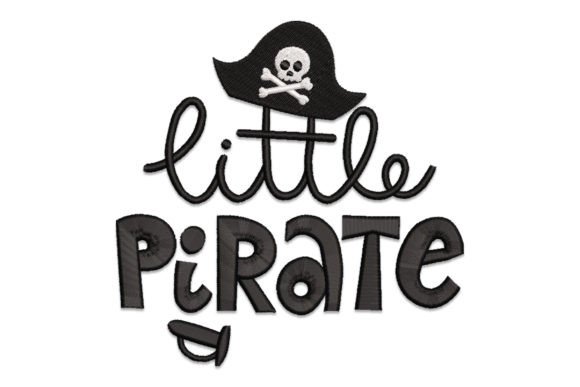
Little Pirate Embroidery Review
Little Pirate immediately stands out as a charming and whimsical machine embroidery design that exudes a playful yet professional vibe. The young pirate character, with its prominent pirate hat, brings a sense of adventure and fun to any small business merch application. This design feels both handmade and premium, making it versatile for a wide range of commercial embroidery projects.
First Impressions and Visual Personality
The Little Pirate design is a delightful representation of the pirate theme, capturing the essence of adventure without being too over-the-top. Its whimsical nature makes it feel friendly and approachable, which is perfect for businesses aiming to convey a sense of fun and creativity. The pirate hat, as the key element, adds a bold visual anchor to the design, ensuring it remains recognizable even at smaller sizes.
While the overall look is playful, it maintains an elegant simplicity that can easily adapt to various branding styles. Whether used on a rustic apron or a modern tote bag, Little Pirate offers a unique touch that doesn't clash with other brand elements.
Real Business Use: Where Little Pirate Shines
Little Pirate has a variety of applications in small business merch. As an embroidered patch, it works well on jackets, backpacks, or even custom apparel for staff uniforms. The design’s clear outlines make it suitable for cap embroidery, especially on the back or side panels where detail isn’t lost. On tote bags, the pirate character becomes a focal point, adding a branded touch that customers will notice and remember.
For boutique merchandise, this design could be used as a chest logo accent on work shirts or as a sleeve detail on apron embroidery. It also pairs nicely with product packaging accents, creating a cohesive brand identity across different items. When used on customer gifts or event merch, Little Pirate helps reinforce brand recognition while keeping the tone light and engaging.
Etsy sellers and handmade brands can benefit from using Little Pirate as part of their design assets. It complements a range of products like handcrafted patches, personalized caps, or even branded stickers. A printable mockup of the design would allow creators to visualize how it looks on different surfaces before finalizing production.
Where to Use with Caution
While Little Pirate is a strong design, there are certain scenarios where it should be used carefully. Small patch sizes may not capture the full detail of the pirate character, so it's important to test it at minimum size first. Cap fronts, especially on curved surfaces, require precise stitching and proper stabilizer use to avoid distortion.
Items that need frequent washing, such as aprons or tote bags, may require extra attention to thread color contrast and fabric texture to ensure the design holds up over time. High stitch density areas, particularly around the pirate hat, should be reviewed for potential hoop size limitations and fabric compatibility.
Designers should also consider how the Little Pirate interacts with dark uniforms or textured fabrics. Thread colors may need adjustment to maintain visibility and vibrancy. Testing on real fabric before mass production is always recommended to avoid costly mistakes.
Impact on Brand Identity and Customer Perception
Incorporating Little Pirate into your brand identity can significantly enhance customer trust and recognition. The playful yet professional tone of the design aligns well with creative businesses like cafés, boutiques, or pet brands looking to stand out in a competitive market. It adds a unique personality to your merchandise, helping you create a more memorable brand experience.
When used consistently across different products—like branded patches, tote bag designs, or custom apparel—the Little Pirate reinforces visual consistency, which is crucial for building a strong brand presence. Customers begin to associate the design with quality and craftsmanship, increasing their engagement with your handmade products or services.
For businesses targeting younger demographics or those with a focus on fun and creativity, Little Pirate serves as a powerful tool to connect emotionally with buyers. It communicates a sense of adventure and individuality, which can be a major selling point in today’s marketplace.
Embroidery Designer Notes for Commercial Use
Before using Little Pirate for commercial embroidery, designers should take several steps to ensure optimal results. Start by testing the digital embroidery file in black and white to see how the outlines hold up. Check if the design works effectively at small patch sizes, as this will determine its versatility for different applications.
Review thread color contrast to ensure the design remains visible on various fabric types. Inspect spacing between elements to prevent overcrowding, especially when scaling down for cap embroidery or tote bag designs. Confirm the required hoop size and review stitch density to avoid issues during production.
Always test the design on real fabric before moving forward with large orders. Using the right stabilizer is essential, particularly for textured fabrics or dark-colored uniforms. Creating a printable mockup for client approval is a good practice, allowing for adjustments before finalizing the finished product.
Finally, compare Little Pirate beside other design assets to ensure it fits within your overall brand aesthetic. Make sure you have proper commercial licensing for the embroidery file, as this is crucial for legal compliance in any business setting.
Little Pirate is a valuable addition to any small business merch collection. With thoughtful planning and attention to detail, it can become a standout feature in your custom apparel, branded patches, and handmade product lineups. Its blend of playfulness and professionalism makes it a great choice for businesses looking to build a unique and engaging brand identity through embroidery.