Love Thermometer Embroidery Review
First Impressions of Love Thermometer
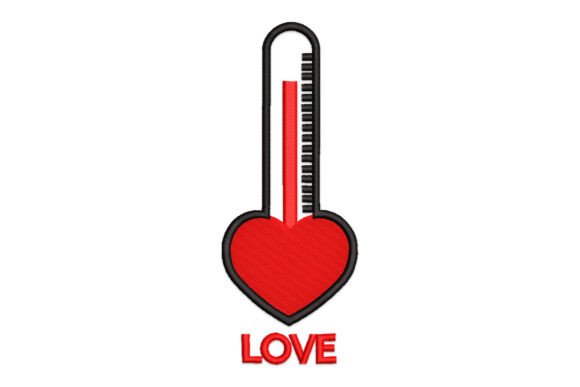
As an experienced embroidery designer, the first thing that stands out about Love Thermometer is its charming and whimsical appeal. The title itself suggests a playful yet heartfelt design, perfect for small business merch that wants to convey warmth and affection. The description mentions that it can be stitched on towels, pillows, home decor, or anything that requires a touch of whimsy and charm. This gives me confidence that the design has been thoughtfully crafted for a variety of applications.
The visual personality of Love Thermometer feels friendly and approachable, with a modern twist that makes it suitable for both classic and contemporary branding. It’s not overly bold or rustic, but rather sits in a sweet middle ground that could work well for Valentine S Day themes without being too niche.
Real Business Use of Love Thermometer
Love Thermometer has a lot of potential for real-world use in commercial embroidery projects. For instance, it could serve as an embroidered patch for a boutique or a handmade shop, adding a personal touch to their merchandise. Imagine a small café using this design as a chest logo accent on staff uniforms or as a sleeve detail on aprons — it would add a subtle layer of charm that customers might find endearing.
For cap embroidery, the design could be adapted into a smaller version that still retains its character. On tote bags, it could be used as a branded mark, reinforcing brand identity while keeping the look cohesive. In product packaging accents, it could help elevate the handmade presentation of your goods, making them feel more premium.
When considering Love Thermometer for small business merch, it's important to think about how it aligns with your brand's overall aesthetic. Whether you're selling custom apparel, handmade products, or Etsy items, this design offers a unique way to express your brand's personality through machine embroidery design.
Where to Use Love Thermometer with Caution
While Love Thermometer is versatile, there are certain situations where it should be used carefully. For example, if you plan to stitch it on a small patch size, it might lose some of its visual impact. Similarly, using it on cap fronts or curved surfaces could challenge the design's integrity unless adjustments are made.
Attention should also be paid to tiny lettering within the design, as it may become difficult to read at smaller sizes. High stitch density could also be an issue if the design is used on textured fabric or dark-colored uniforms. Testing the embroidery file on real fabric before production is always a good idea, especially when considering frequent washing requirements.
Impact on Brand Identity and Customer Engagement
Using Love Thermometer in your brand identity can create a sense of warmth and approachability that resonates with customers. Whether it's on a branded product add-on or a customer gift, this design can enhance customer trust and recognition. Its whimsical nature can make your handmade product stand out from the competition, increasing buyer engagement and perceived value.
In terms of visual consistency, it's important to ensure that Love Thermometer complements other design assets you use. A printable mockup can help visualize how it will look on different items, allowing you to make informed decisions before finalizing production.
Practical Embroidery Designer Notes
Before using Love Thermometer for commercial embroidery, consider these practical steps:
- Test it in black and white first to see how the design translates without color.
- Check if it works at small patch size to ensure it remains legible and visually appealing.
- Review thread color contrast to avoid issues with visibility on different fabrics.
- Inspect spacing and adjust as needed for optimal stitch density.
- Confirm hoop size required for the design to ensure proper setup during embroidery.
- Test on real fabric to see how it looks and feels in practice.
- Use proper stabilizer to prevent shifting or puckering on delicate or textured materials.
- Create a mockup for client approval to ensure alignment with expectations.
- Compare it beside other design assets to maintain visual consistency across your brand.
- Confirm commercial licensing before using it for business purposes to avoid legal issues.
If details like stitch count, file format, or license terms aren’t provided, it’s crucial to check those before moving forward with any commercial embroidery project. Always ensure that your digital embroidery file is compatible with your equipment and meets the quality standards required for your finished product.