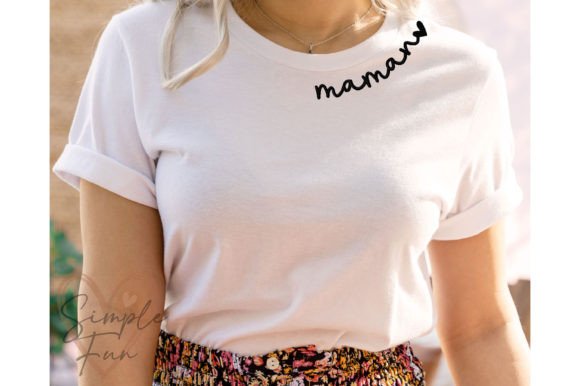
Maman Embroidery Design Review
First Impressions of Maman
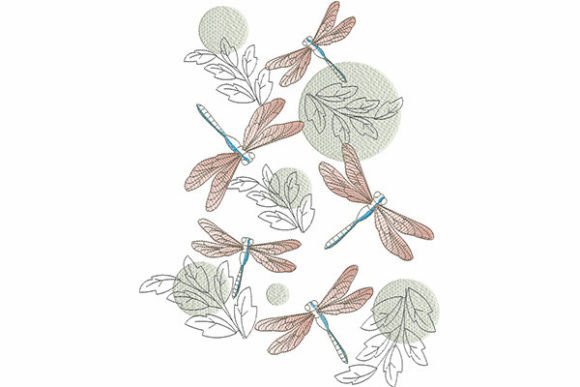
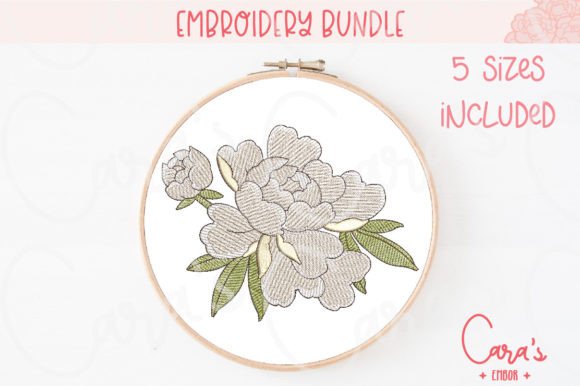
As an experienced embroidery designer, the first thing that strikes me about Maman is its soft and elegant appeal. The design feels like a warm embrace, perfect for a range of craft fair products. It carries a subtle charm that speaks to both modern and farmhouse aesthetics, making it versatile enough to fit into various handmade product lines.
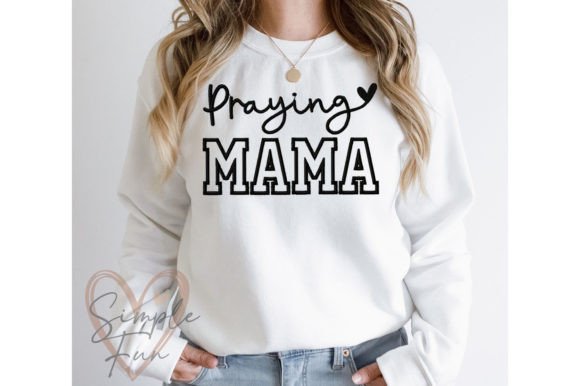
The title itself suggests a connection to motherhood, which adds a layer of emotional depth. This makes Maman especially appealing for handmade gifts, small shop products, and commercial embroidery items aimed at those who appreciate thoughtful, personal touches.
Performance on Various Products
Maman shines across a variety of surfaces. On tote bags, it acts as a focal point without overwhelming the fabric. Its delicate details work well with tea towel embroidery, adding a touch of elegance to kitchen textiles. When placed on aprons, it becomes a charming accent that complements the practicality of the item.
For caps, the design adapts nicely to curved surfaces, though care should be taken with stitch density to avoid puckering. As an embroidered patch, Maman stands out on jackets or backpacks, offering a small but meaningful detail.
On pillow covers and market bags, Maman maintains its visual appeal, ensuring that each craft fair product feels unique and valuable. For Etsy sellers, this makes it a great choice for printable mockups and digital embroidery files that can be used in listings.
Selling and Production Considerations
One of the most important aspects of any machine embroidery design is how easy it is to understand at a glance. Maman has clean lines and a balanced composition, making it immediately recognizable even from a distance. This is crucial for booth display strength, where customers are often scanning multiple options quickly.
It works equally well as a small accent or a large focal design. This flexibility is ideal for small shop products and allows for creative use across different handmade products. For online listings, the design photographs beautifully, especially when paired with high-quality fabric and proper lighting.
When considering batch production, Maman offers good repeatability. However, it’s essential to test the embroidery file on scrap fabric first to ensure the thread colors and hoop size are suitable for your intended materials. Also, using the right stabilizer will help prevent distortion, particularly on textured towels or thick fabrics.
Careful-Use Notes
While Maman is generally easy to work with, there are some considerations to keep in mind. Areas with dense stitching may require additional stabilization, especially on dark fabrics where thread contrast might not be as visible. Tiny details or small lettering could lose clarity if scaled down too much, so always check the design at the intended size before finalizing production.
Curved cap surfaces need careful attention to stitch density to maintain the integrity of the design. Additionally, design assets such as digital embroidery files should be reviewed for spacing and alignment to ensure they translate well onto different materials.
Visual Appeal and Brand Consistency
The visual appeal of Maman enhances the perceived value of any finished product. Whether it's a gift or a functional item, the design elevates the overall quality and helps establish a consistent brand image. This is especially beneficial for Etsy sellers and creative entrepreneurs looking to build a cohesive collection of handmade products.
Its ability to blend into a variety of styles ensures that Maman remains versatile, allowing it to be used in multiple product lines without losing its identity. This versatility also helps in creating engaging booth displays that attract a wide audience.
Practical Embroidery Designer Notes
Before producing Maman for sale, I recommend testing the embroidery file on scrap fabric to see how it looks in real life. Check the thread colors against the fabric you plan to use and confirm the hoop size required for your machine. Inspect the stitch density to ensure it doesn't cause puckering or distortion.
Always use the appropriate stabilizer based on the fabric texture. Creating at least one real mockup will help you visualize the final look and make adjustments if needed. Compare fabric colors under different lighting conditions to ensure the design stands out. Finally, confirm commercial licensing before selling any finished product to avoid legal issues.
By following these steps, you’ll ensure that Maman performs well on your craft fair products and meets the expectations of your customers. Its soft and elegant character makes it a strong contender for any handmade or small shop product line.